

Surface Finishing
Custom precision parts manufactured from drawing review and process engineering through prototyping and stable volume production.
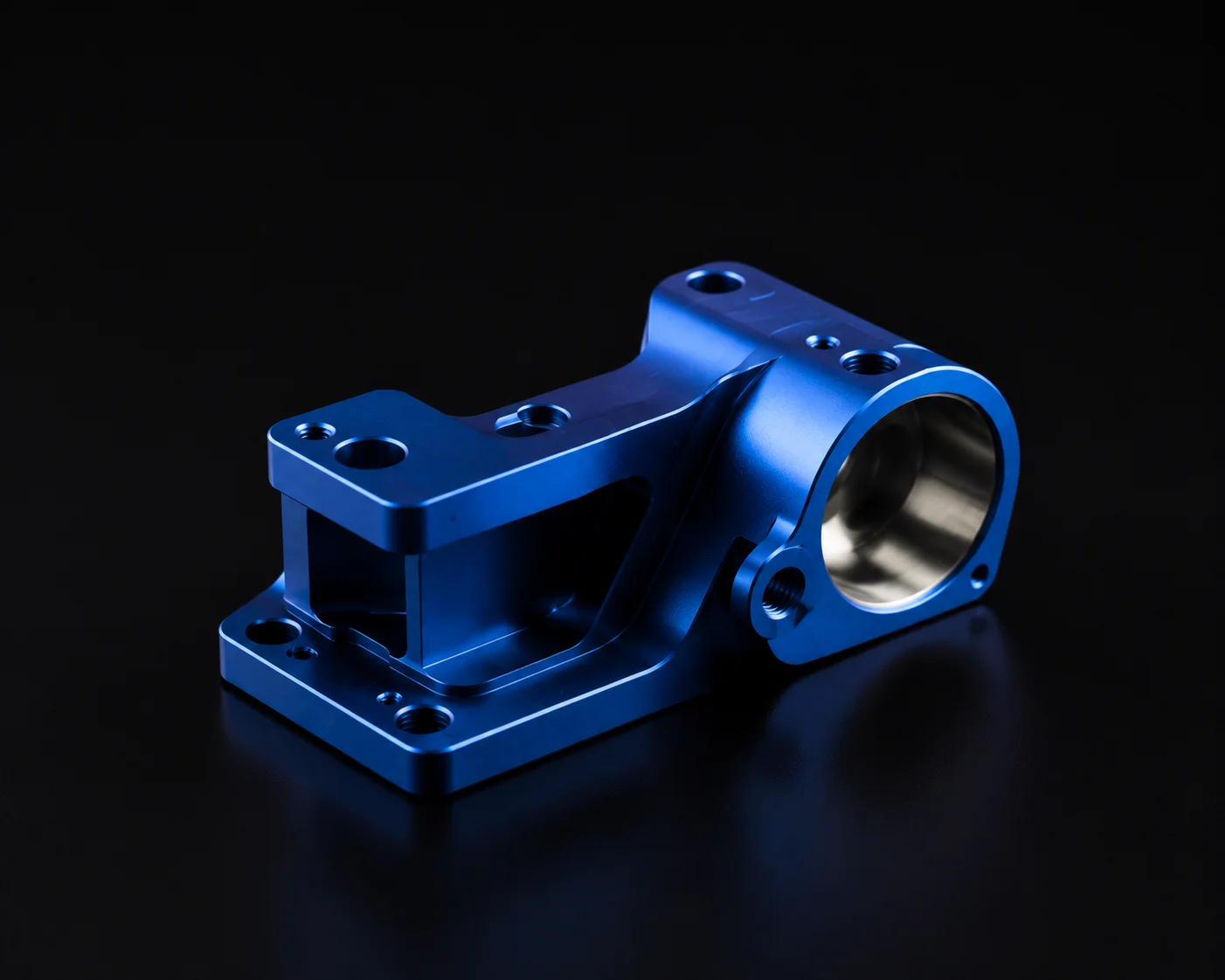
Process Overview
Engineered for stable, repeatable production
Verto provides surface finishing services to improve the appearance, corrosion resistance, wear resistance, and functional performance of CNC-machined components. Available options depend on the base material and may include anodizing, powder coating, plating, passivation, polishing, brushing, bead blasting, and black oxide.
Technical Data
Capability parameters
Available equipment and process options are matched to part geometry, material, tolerances, surface requirements, and production volume.
Supported Materials
- Aluminum
- Stainless Steel
- Carbon Steel
- Tool Steel
- Titanium
- Copper
- Brass
- Engineering Plastics
- Special Alloys
Key Advantages
Why choose this process
Quality Assurance
Inspection built into every production stage
Verto controls quality from incoming material through first-article inspection, in-process sampling, final inspection, and shipment verification.
- Dimensional Inspection CMM, projector, Swiss height gauge, and Mitutoyo micrometers.
- Material Verification Incoming inspection and hardness testing before production release.
- Process Control First-piece approval, patrol inspection, and in-process sampling.
- Delivery Assurance Full final inspection supports on-time, specification-compliant delivery.
Applications
Precision parts for demanding industries
Manufacturing support for communications equipment, medical devices, digital imaging, electronics, drones, and industrial automation.
Surface finishing is widely used for consumer electronics, automotive components, medical equipment, industrial machinery, aerospace parts, enclosures, decorative hardware, and components exposed to demanding operating environments.
FAQ
Frequently asked questions
Which surface finish should I choose for my CNC parts?
The appropriate finish depends on the base material, desired appearance, corrosion resistance, wear resistance, dimensional requirements, and operating environment.
Can surface finishing affect the dimensions of a part?
Yes. Anodizing, plating, and powder coating can alter surface thickness. Critical dimensions, threads, contact surfaces, and masked areas should be identified on the drawing.
Build your next precision component with Verto
Send your drawings, samples, tolerances, material requirements, and expected quantity for an engineering and manufacturability review.